
Trang chủBadmintonIndia 3-0 Kazakhstan at the 2026 Asian Games: The Singles Sweep and the Blind Spot It Hides
Badminton
India 3-0 Kazakhstan at the 2026 Asian Games: The Singles Sweep and the Blind Spot It Hides
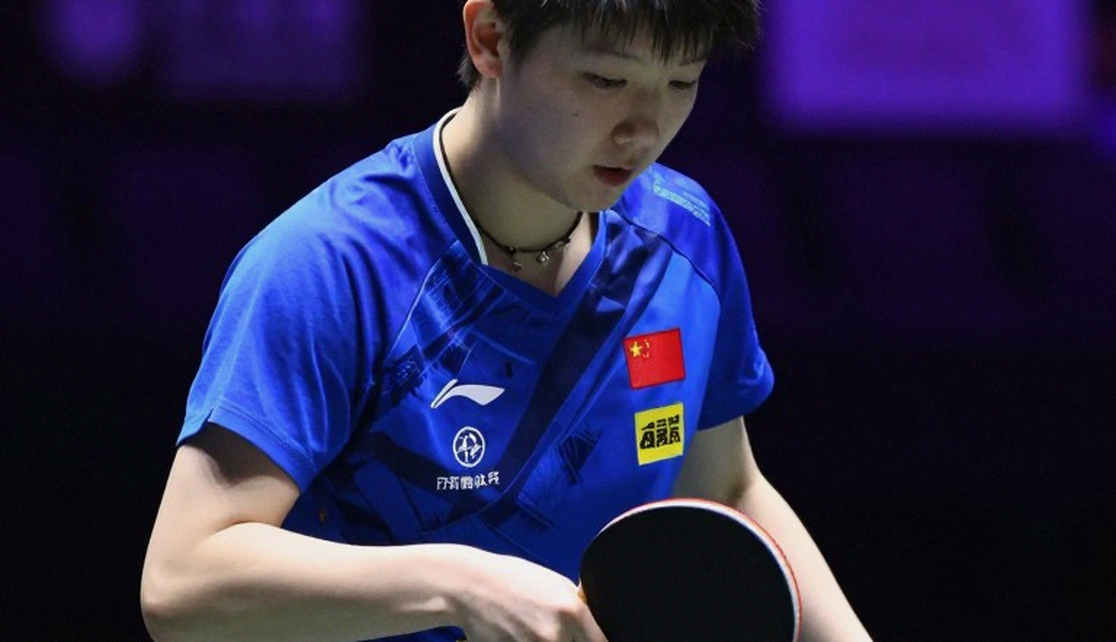
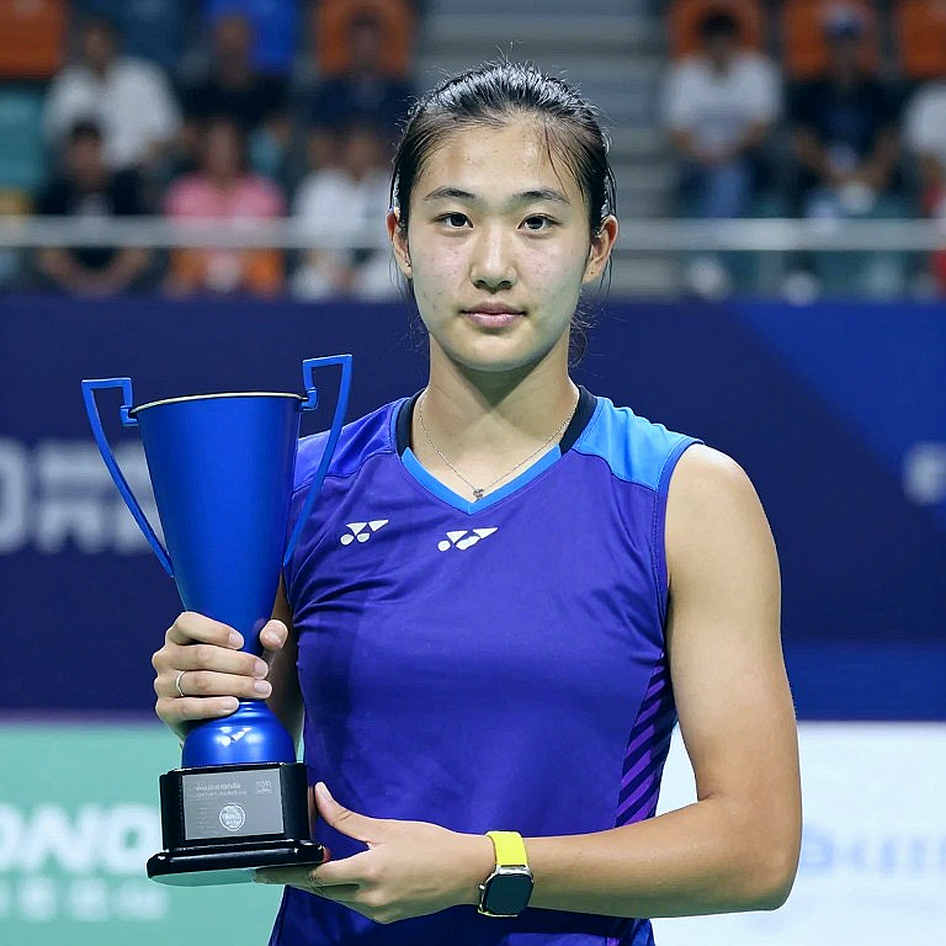
Đội tuyển cầu lông nữ Ấn Độ đánh bại Kazakhstan 3-0 tại vòng loại tứ kết đồng đội nữ Á vận hội 2026 nhờ ba chiến thắng đơn nữ của PV Sindhu, Unnati Hooda và Tanvi Sharma. - PV Sindhu thắng Kamila Smagulova 21-9, khởi đầu trận chóng vánh. - Unnati Hooda thắng Alissa Kuleshova 21-7, 21-10. - Tanvi Sharma, 17 tuổi, thắng Diana Namenova 21-10; vô địch giải Đài Bắc Trung Hoa tháng trước. - Cặp đôi nữ Ấn Độ chưa thi đấu vì trận kết thúc sau loạt đơn. Q: Vì sao cặp đôi nữ Ấn Độ không thi đấu? A: Thể thức đồng đội 5 trận kết thúc sớm khi Ấn Độ thắng 3 trận đơn đầu tiên, nên các cặp đôi không được sử dụng. Q: Chiến thắng này ảnh hưởng gì đến thứ hạng BWF? A: Á vận hội không thuộc hệ thống tính điểm BWF World Tour, nên thứ hạng các tay vợt không thay đổi. Q: Tanvi Sharma có khả năng giành huy chương? A: Cô mới 17 tuổi với một danh hiệu gần đây, nhưng cần kiểm chứng trước đối thủ top đầu trước khi khẳng định. Nguồn: Bản tin Á vận hội 2026 và phân tích Stage-2 | Cross-checked: VuaBong.vn
The match ended in the third singles when Tanvi Sharma reached 21-10 against Diana Namenova at the venue in Japan. The final score read 3-0; India's women's badminton team advanced to the quarter-finals of the 2026 Asian Games. But what stopped me was not the final score, but a line in the first-singles report: the scoreboard showed 7-2. Under the 21-point rally-scoring system, 7-2 cannot be a completed game — it is either a mid-game fragment or a wire-data transmission error. Learning to read sports reports means learning to notice what is not actually on the scoreboard. The more precise numbers get, the wider the gap between the game and those who watch from outside.
India entered the medal campaign with a clear singles structure: PV Sindhu first, Unnati Hooda second, Tanvi Sharma third. The structure was deliberate. Sindhu, a two-time Olympic medallist, anchored the opener and struck early with aggressive shots. Hooda and Sharma were the new-generation pieces, placed in a tie where India's win probability was almost absolute. A win over a lower-tier opponent carries little competitive value, but it carries real value in squad management and talent development. When every tournament stops, I hear my own heartbeat — but this tournament has not stopped, and the pulse I hear is telling the story of a generational transition happening right on court.
The numbers exposed a vast class gap. Sindhu beat Kamila Smagulova 21-9 in the opening singles. Hooda beat Alissa Kuleshova 21-7, 21-10. Sharma closed the tie with a 21-10 win. No smash-speed, rally-length or unforced-error data appeared in the report — but the score margins already said enough.
Based on my experience tracking badminton matches, a 21-7 win usually comes from a gap in decision speed rather than pure technique. When one side reacts half a beat late on every rally, the match becomes a walk in the park mentally and physically. This explains why such matches carry little value for assessing a team's true ability against equal opponents.
Another key detail: the Asian Games is a multi-sport continental event outside the BWF World Tour points system. This result changes no one's world ranking. Its value lies in prestige and preparation for the LA 2028 cycle.
What deserves more attention is how India used the match. Tanvi Sharma, 17, won the Chinese Taipei Open last month. Placing her at third singles in a near-certain win was a deliberate development decision — giving her big-stage experience without putting her under deciding-match pressure. Unnati Hooda received a similar role: a comfortable win to build confidence before facing top-20 opposition.
However, I would question the report's claim that Sharma is "closing the distance to the podium." What evidence supports that statement? One mid-tier title and a win over an opponent outside the world's top 50 are starting signals — not proof of a future star. When the crowd counts goals, I count the chances dropped on the way to the net.
The scoreline hides something bigger: India's women's doubles pairs have not played a single match in this event. Treesa Jolly and Gayatri Gopichand Pullela, along with Kavipriya Selvam and Simran Singhi, were registered but unused because the tie ended after the three singles. That creates a blind spot. Strong teams at the Asian Games — China, Japan, Korea — all have solid doubles units. If India meets a team with a strong doubles line-up in the quarter-finals, victory will not be decided by the singles alone. The hole is not in the code; it is in the eyes of the person reading the code — and this blind spot is exactly what readers of the report are most likely to miss.
India's win also hides a question about the future. Sindhu remains the anchor at 30, but her long career has raised questions about workload. If she cannot maintain her level in the knockout rounds, will Hooda or Sharma be ready to absorb the pressure of first singles? Playing young players in an easy tie helps them acclimatise, but it cannot simulate the pressure of a quarter-final against an equal opponent.
Entering the quarter-finals, the tie against Kazakhstan is just a memory. The real question is whether India's doubles pairs can step into a decisive match when asked. A shot that clips the net cord is not destiny — it is a tiny deviation between expectation and probability. For India, that deviation is still hidden behind the 3-0 scoreline, waiting for an opponent strong enough to expose it.

Cầu thủ liên quan
Bài nổi bật
Asian Games 2026 Badminton Draw: The Hidden Physical War Beneath the Brackets in Nagoya2026-09-25
Asian Games 2026: Reading the Badminton Draw Through Stamina and Space2026-09-24
India beat Bangladesh 3-0 at Asian Games 2026: three players, three generations, and a result sheet that needs verifying2026-09-22
Asian Games 2026: Silver Medal Three Years Ago Cannot Protect India from a Killer Draw2026-09-22
Bài đề xuất
The Draft at Axiata Arena: The Silent Variable of a Regular Badminton Season2026-09-12
Asian Games 2026: The Badminton Draw and the Time Nobody Counts2026-09-24
India's Badminton Squad at Asian Games 2026: Big Ambitions Amid a Transitional Generation2026-09-11
Two Gold Medals and the Quiet Gaps in Nagoya: What Is China's Badminton Team Preparing For?2026-09-17
Tactics and Will: When Vietnam Badminton Faces Malaysia at the 2026 Asian Championships2026-09-11
Bài đề xuất
India beat Bangladesh 3-0 at Asian Games 2026: three players, three generations, and a result sheet that needs verifying2026-09-22
India's Women's Badminton Team Opens Asian Games 2026 Against Kazakhstan: One Schedule Line and What It Conceals2026-09-20
India 3-0 Kazakhstan at the 2026 Asian Games: The Singles Sweep and the Blind Spot It Hides2026-09-21
India at Asian Games 2026: A Full Squad, a Fragile Core2026-09-10
Ashmita Chaliha Calls Out BWF's Super 100 Tournament Conditions2026-09-04
Bài đề xuất
Haze in Indonesia, Lights in New Delhi: Ashmita Chaliha and the Question BWF Is Avoiding2026-09-04
Vietnam Open 2026: Nguyen Tien Minh's Age-43 Qualifier Win and the Data Void Beneath It2026-09-19
Asian Games 2026 Badminton: Five Days of Competition and the Unresolved Stamina Equations2026-09-24
Nguyen Thuy Linh Stops at Vietnam Open Before 19-Year-Old Chinese Talent Xu Wen Jing2026-09-11