
One Name Missing From the List: How the Transfer Window and Sports Drama Both Sell Waiting
Trả lời nhanh: Franco Lo Presti chưa xác nhận trở lại vai Cliff Marleau trong mùa hai phim Heated Rivalry. Mùa hai đang quay, dự kiến lên sóng năm 2027 trên Crave và HBO Max; trong tiểu thuyết gốc The Long Game của Rachel Reid, Cliff chỉ giữ vai nhỏ. Dữ kiện chính: - Mùa một của Heated Rivalry được xem là hit; mùa hai đang trong giai đoạn quay. - Hudson Williams (Shane) và Connor Storrie (Ilya) đã có tên trong danh sách mùa hai. - Franco Lo Presti sẽ xuất hiện trong Days of Our Lives từ ngày 14 tháng 9. - Mùa hai chuyển thể từ The Long Game của Rachel Reid, nơi Cliff Marleau chỉ có vai nhỏ. - Phim dự kiến phát hành năm 2027 trên Crave và HBO Max. Nguồn: bài phỏng vấn của TV Insider, được Express Tribune dẫn lại; tài liệu nguồn không nêu ngày công bố cụ thể. Các mốc thời gian đi kèm: ngày 14 tháng 9 (Days of Our Lives) và năm 2027 (dự kiến lên sóng mùa hai). Hỏi đáp liên quan: Hỏi: Cliff Marleau có trở lại trong mùa hai Heated Rivalry không? Đáp: Chưa
In football we have an old ritual: reading the squad list. Vietnamese fans read it before kick-off, eyes stopping at the midfield line, wondering why a familiar name has vanished. The ritual repeats every matchday, from Hòa Xuân to Mỹ Đình, and rarely does anyone explain it.
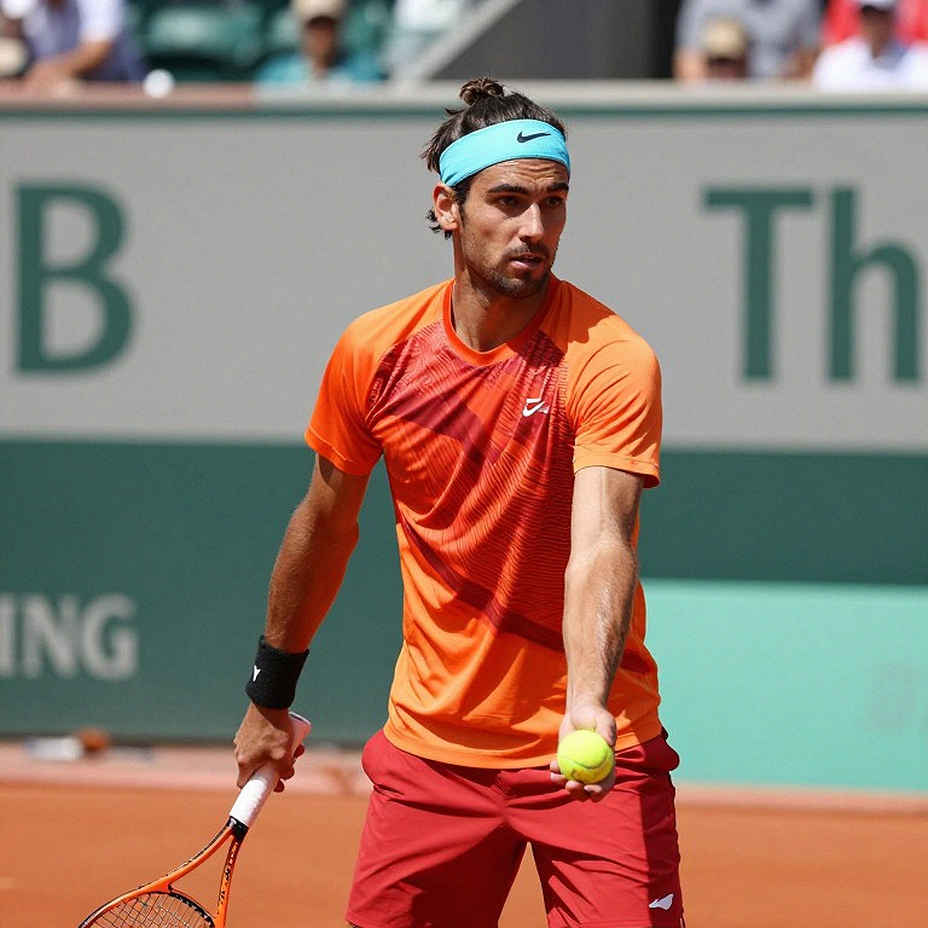
This week the ritual appeared somewhere with no referee, no grass, no whistle: the Season 2 cast list for the television drama Heated Rivalry. The list includes Hudson Williams as Shane and Connor Storrie as Ilya — two shoulders carrying the whole show. And it is missing Franco Lo Presti, who plays Cliff Marleau.
A few days later, in an interview conducted by TV Insider and republished by Express Tribune, the actor answered in a way any sports reporter recognises instantly: he neither confirmed nor denied. He spoke about the show in very warm words, then left the door ajar.
I have heard that kind of answer many times, from agents sitting in hotel corridors, coffee in hand, saying they are still considering. That ambiguity was never accidental. It is part of the trade.
Context: an ice rink built out of a script
Heated Rivalry is a North American television drama set in the world of professional ice hockey. The two teams that appear in it, the Boston Raiders and the Ottawa Centaurs, are fictional: no league, no table, no tickets. I approach this story with a sports desk's eye, and I want to be clear: football here is only a mirror, not the subject of the analysis.
The script adapts Rachel Reid's Game Changers novels. Season 1 was regarded as a hit, enough for Crave and HBO Max to greenlight Season 2. Season 2 is currently filming, based on The Long Game, and is slated to air in 2027. Those three facts are enough to reveal a healthy product, with no crisis in sight.
The telling detail lies in the source material. In The Long Game, Cliff Marleau holds only a small role: he appears, leaves a trace, and exits the frame. Which means that even if Franco Lo Presti agrees to return, his screen time was already capped by the structure of the story, not by any casting decision.

On the actor's side, the career is ascending. He will appear in Days of Our Lives from September 14. In the interview he called the Heated Rivalry experience a privilege, called the craft art, called the show's story a beautiful one. People who are leaving rarely speak that way.
There is one more signal I noticed, and it matters more than it looks: a newspaper in Pakistan covering a television series from Canada. When a local story reaches a newsroom in South Asia, the audience has crossed borders, and the producers are holding a property that travels further than originally planned.
The machinery of waiting
Set a transfer window beside a cast list with one blank space, and you find the same machine at work. That machine has four gears, and I recognise all four from my daily work.
The first gear is the calendar. Franco Lo Presti has just taken a role in a long-running series, and the Days of Our Lives shooting schedule may overlap with Heated Rivalry Season 2 post-production. In football we call that fixture congestion, a medical booked at the wrong hour, a negotiation pushed to next month because the agent is in another city. Most of what the press calls a breakdown is simply two calendars refusing to look at each other.
The second gear is optionality. An actor who has just landed a new project and an invitation to a long-running show no longer depends on a single brand. He has more doors, and people with more doors answer more slowly, because every extra day raises their standing. In the transfer market we call that a player in the final year of his deal, the one whose agent is quietly building a presentation. Silence in sport and in television is almost never a sign of rupture; it is a sign of a negotiation being stretched at exactly the most advantageous tempo.
The third gear is the structural ceiling. A character with only a small part in the source novel cannot occupy much screen time even if he returns. In football this is the familiar story of capable players limited by a system's minutes: on at the 70th minute, a few touches, then gone from the stat sheet. That ceiling is not a verdict, it is a structure. And the producers benefit from that very structure: if Cliff does not return, the story stands; if he returns in a few scenes, the story still stands.
The fourth gear is source tiering. In the transfer market information is graded: tier one is the club's official announcement; tier two is reporters with direct access; tier three is aggregators, rehashers, embellishers. The item I am describing belongs to the third group: a TV Insider interview republished by Express Tribune. It is worth reading, but it is not a confirmation. And the striking thing is that the ambiguity itself is more useful than a confirmation would be.
Then comes the hardest part, the part I always do slowly: measuring the gap between what fans hope for and what the structure allows. The chance of Cliff returning is far from zero; the actor's warm attitude toward the production makes a short appearance entirely plausible. But a grand comeback is not what the source novel promises. Fan expectation is running slightly ahead of what the story's structure can pay. I do not call that a false rumour. I call it a basket fuller than the money in the wallet.
I learned to measure such gaps long ago. In 2026 I stayed up all night for the AFC U-23 semi-final in Changzhou, a match that ran 120 minutes, ended 3-3, and finished with Vietnam winning the shootout 5-3; earlier, in the quarter-final against Qatar, Quang Hai equalised at 2-2 from a free kick in the 88th minute. I do not remember the scoreline as clearly as I remember Cong Phuong's tears in the snow at minus 15 degrees. That same summer I followed Croatia all the way to the final, where a 32-year-old Modrić lifted the Ballon d'Or on a day of defeat, eyes red, having run 72 kilometres across the tournament.
I retell those stories to make one point: the waiting period is where memory is made. What this industry sells, in football and in television alike, is the gap between question and answer. It is the most expensive product and the one most likely to run out. For Cliff Marleau, that gap has a lifespan of six to eighteen months, stretching from the end of filming to the 2027 premiere.
The reverse angle: the man outside the frame
People remember the name of the scorer, but I remember his run ten seconds earlier. That run never makes the match report, never appears on the scoreboard, and only those sitting close enough to the touchline know what they just missed. Cliff Marleau sits exactly there in the architecture of a story: a supporting character who makes the two leads believable.
Here is a blind spot of collective memory I want to name. When someone is vague about their future, we immediately assign them a struggle: tense negotiations, a bruised ego, a rift in the dressing room. Most of the time, they are only looking at a calendar, and a calendar does not feel pain. Sport shares the habit: turning a silence into a story with a villain. A quiet player is an unhappy player; a manager saying nothing is a manager about to lose his job. We crave a script with an antagonist so badly that we build one, then resent it.
While we are busy building scripts, one detail gets overlooked: this actor grew up in hockey culture, knows the smell of a dressing room, knows how an athlete speaks with his body. That kind of person is an almost perfect choice for any locker-room scene. If I were the producer, I would find a way to keep him, even for two shooting days. If I were a fan, I would not rush to conclude he has been pushed out.
The second reverse angle lies in how we classify this story. An article about a television drama cannot be read with the yardstick of a transfer report, even though both run on the same engine. The machine is identical; the goods differ. Confuse the two and the reader goes looking for a contract in a place that only holds a shooting schedule.
Every contract is a promise, and every promise is a sadness waiting to happen. That is true of a football contract, and it is true of an invitation to act.
What is worth waiting for
The pitch never lies; we simply are not slow enough to hear it. There is no pitch here, only a list missing a name, an interview written in blanks, and a premiere still years away.
The official Season 2 cast list will answer most of the question: if Cliff Marleau's name appears there, the speculation closes on its own. In parallel, the Days of Our Lives broadcast schedule and the Heated Rivalry wrap date are two markers worth cross-checking, because if they overlap, people will have a reason to understand why everything slowed. And above all there is the premiere date, still only a vague year: 2027.
Between those markers lies a long gap. I will not write into that gap merely to have a piece. But I will read, and I will take notes, the way I once took notes on matches nobody watched.
A football writer watching a hockey drama to understand how an industry teaches its audience to wait — that is the job, and I suspect it is the job of anyone who cares about transfers.
That unconfirmed role will live in viewers' heads far longer than its actual minutes on screen. The glory of the defeated is a light only those who stay behind can pick up — though sometimes the one who stays behind is simply the one who never got to say goodbye.
If people are willing to wait years for a character with a few minutes on screen, what exactly are we watching?