
Bridges Cup 2026 at Turnberry: What the Team Kit Says About the Future of Mid-Amateur Golf
**Câu trả lời cốt lõi**: Bridges Cup 2026 là giải golf đồng đội mời dành cho golf thủ nghiệp dư trung niên, diễn ra tại Trump Turnberry, Scotland tuần này. Giải chia hai đội 12 người — Mỹ và Quốc tế — thi đấu năm phiên trong ba ngày gồm foursomes, four-ball và đánh đơn. **Dữ kiện chính**: - Đây là lần thứ tư Bridges Cup được tổ chức, kể từ kỳ đầu tiên năm 2022. - Sân Ailsa tại Turnberry từng bốn lần đăng cai The Open Championship: 1977, 1986, 1994 và 2009. - 24 golf thủ được chọn thủ công từ năm châu lục; giải không có điểm OWGR và không có tiền thưởng. - Bộ đồ nghề gồm hơn 12 món từ Holderness & Bourne, Sun Mountain và Dormie Workshop. - Thể thức sao chép Ryder Cup và Presidents Cup: năm phiên đấu trong ba ngày. **Nguồn**: Bài giới thiệu đồ nghề Bridges Cup 2026; tài liệu nguồn không ghi ngày xuất bản cụ thể. | Cross-checked: VuaBong.vn **Hỏi đáp liên quan**: - Hỏi: Bridges Cup 2026 có tính điểm xếp hạng thế giới OWGR không? Đáp: Không; đây là giải mời nghiệp dư, không có điểm OWGR và không có tiền thưởng. - Hỏi: Bridges Cup 2026 thi đấu theo thể thức nào? Đáp: Hai đội 12 người, năm phiên trong ba ngày gồm foursomes, four-ball và đánh đơn. - Hỏi: Sân nào đăng cai Bridges Cup 2026? Đáp: Trump Turnberry với hai sân Ailsa và King Robert the Bruce.
On Scotland's west coast, where wind off the Irish Sea blows straight into Ailsa, you pick your clothing before you pick your clubs. The Bridges Cup 2026 kit list runs to more than a dozen complementary pieces for 24 mid-amateur golfers drawn from five continents: competition shirts from Holderness & Bourne, bags and rain gear from Sun Mountain, custom leather headcovers from Dormie Workshop, umbrellas and logoed caps. Not a single swing appears on that list, yet it reflects the event's true standing more honestly than any scoreboard could.
I have tracked how invitational events assemble team apparel for years, and never has the choice of a few items said so much about an event's nature. When organizers put rain gear in the official package, they were not doing it for aesthetics. They were doing it because they understand the course. A community's voice is never noise; it is the drumbeat of the match — and here, that drumbeat comes from the merchandisers before it comes from the scorers.
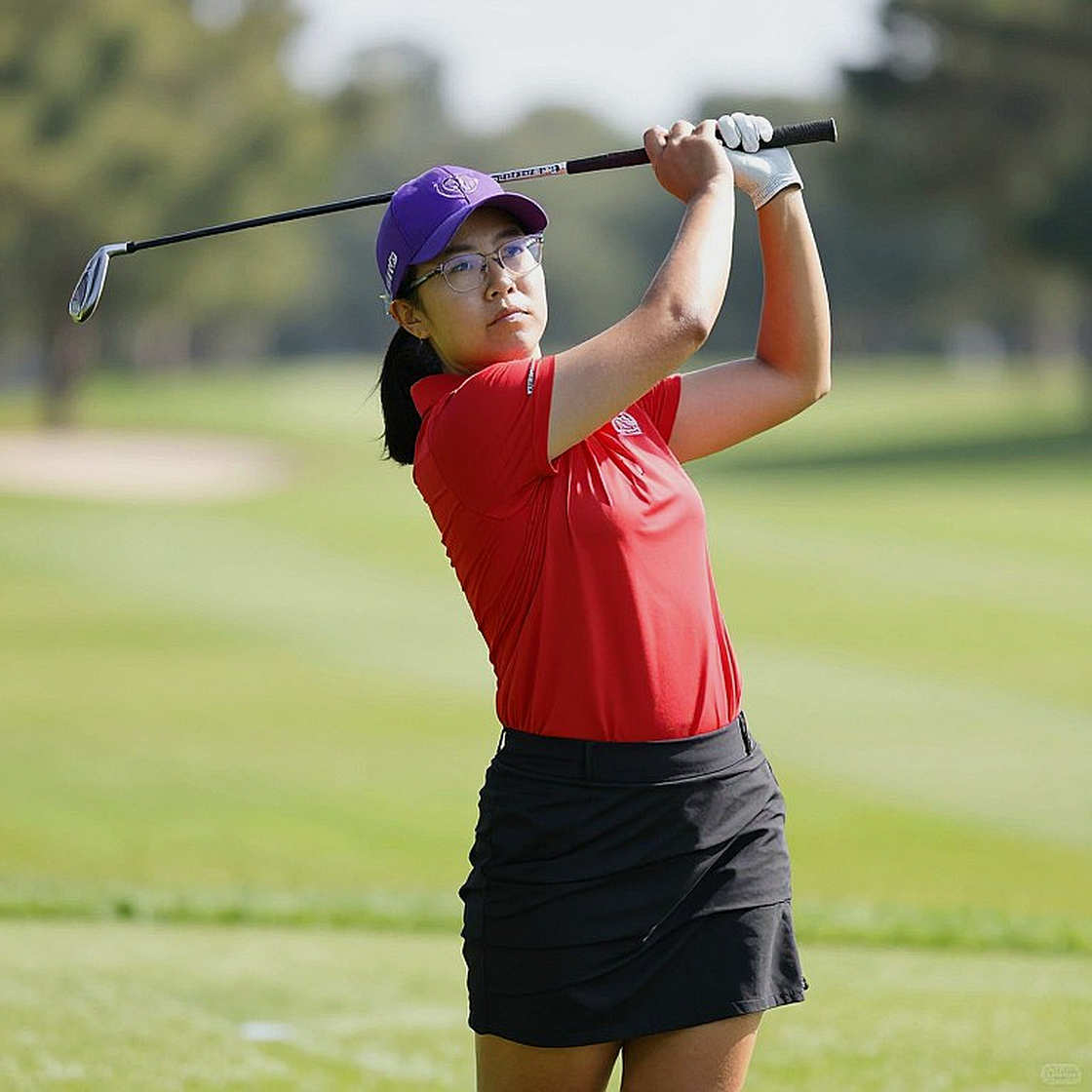
The Bridges Cup 2026 begins this week at Trump Turnberry, using both the Ailsa and King Robert the Bruce courses. This is the fourth edition since the event launched in 2026. The format splits two teams of 12 — United States against International — across five sessions in three days: foursomes and four-ball on the opening two days, singles on the last. The structure copies the architecture of the Ryder Cup and the Presidents Cup almost wholesale.
In scoring terms, hole-by-hole match play changes how the story gets told. There is no aggregate score, no cumulative leaderboard, only a win, a loss or a half on each hole. Foursomes means two players alternate shots on one ball, a format that demands a level of understanding bordering on ruthless. Four-ball lets each player use their own ball and counts the better score. Singles closes the event. Together the three formats produce a fast, easy-to-follow broadcast product, and that is no accident — the Ryder Cup and Presidents Cup chose exactly this structure for exactly that reason.
The difference is that nobody here is playing for world ranking points. The Bridges Cup is an invitational for mid-amateurs, a group typically past collegiate age and working outside golf. No OWGR points, no purse, no major-championship pathway at stake. Organizers describe it as a celebration of competition and camaraderie, and the way they picked 24 names across five continents shows selection leans on geographic reach rather than form or ranking.
Drawing 24 players from five continents also carries a governance layer. At the amateur level, most team events are tied to a single nation or region. An event that splits two teams along a United States-versus-International axis places itself in a global rivalry frame, even though its scale is a tiny fraction of the professional events using the same format. It is smart positioning: competing on concept rather than cash.
That is also why any attempt at form analysis here hits a wall. No players are named. No results, no scores, no Strokes Gained data. You cannot build an age curve for a group that does not make a living from the sport. And that, rather than making the event dull, points precisely at what it is.
Buying prestige with an address
Ailsa is no unfamiliar name to anyone who follows golf. It is a links that has hosted The Open Championship four times, in 2026, 2026, 2026 and 2026. The 2026 duel between Tom Watson and Jack Nicklaus entered history as the Duel in the Sun and is still regarded as one of the sport's greatest contests. In 2026, Stewart Cink beat Tom Watson in a play-off.
Putting a young amateur event on that exact turf is how organizers buy prestige with an address rather than a purse. For an event just entering its fourth edition, that is a sensible move. The media imagery harvested from Turnberry is worth more than any cash sum an amateur event could spend.
But prestige comes with conditions. Ailsa is a genuine coastal links, built on natural sand, exposed to wind and rain year-round. Three days, five sessions, no weather buffer. The Sun Mountain rain gear is therefore functional, not decorative. Based on my experience covering matches at wind-exposed coastal courses, I judge this three-day schedule to be the single biggest operational risk at the 2026 Bridges Cup — bigger than any question about the golf itself.
The business model hidden in the kit list
The kit list reveals more than a gift inventory. Three separate brands supplying one event signals a multi-party collaboration rather than an exclusive single-supplier deal — a common structure at invitational team events.
Holderness & Bourne sits in the premium, lifestyle-positioned tier. Dormie Workshop makes custom leather headcovers, collectible items carrying the event logo that can hardly be sold at scale. Sun Mountain handles bags and rain gear, the purely functional end. Together the three pieces form an identity: the event wants to be seen as a stylish product, not just a competition.
The more notable point lies in the distribution channel. The gear preview exists as a standalone media product, published before the event begins, framed around a shopping prompt, and openly stating that readers can buy just about all of these premium items. This is shoppable editorial: a commercial current running straight from brand to consumer, with no leaderboard as intermediary.
From an industry-transmission angle, the clearest effects land on two links in the chain. The first is the course economy — Turnberry gains an extra layer of exposure without needing more players on its tee sheets. The second is equipment branding — Holderness & Bourne, Sun Mountain and Dormie Workshop get a week in front of precisely the affluent audience they target. There is no meaningful downstream effect on data, betting or the talent pipeline. The entire transmission value sits inside two words: apparel and venue.
Three things left behind the glow
The story is told as merchandise envy. Meanwhile, three more worthwhile topics appear in none of its lines.
First, venue ownership. Turnberry has belonged to Donald Trump since 2026. The course has not returned to the Open rota since 2026, and golf media has long attributed that to ownership factors, though the R&A has never confirmed it officially. A young invitational choosing this exact address carries a reputational dimension the gear preview never mentions. For an event still building its brand, that is a noteworthy blind spot rather than a mistake.
Second, weather risk. Three days, five sessions, no buffer. If Scottish wind and rain cut into the schedule, the experience for 24 players can collapse faster than any mishit. No information suggests organizers have a compressed-schedule contingency.
Third, the real availability of the products. The phrase just about all is a sensible editorial escape hatch, implying some bespoke items — most likely the Dormie headcovers — will not reach shelves. Readers hoping to own the exact item pictured may have to settle for a close variant.
There is a deeper layer I want to state plainly. The Bridges Cup does not run on ticket revenue or broadcast rights. It runs on networks. An invitational amateur event staged at an Open-calibre venue, gathering 24 hand-picked players from five continents, almost certainly relies on corporate relationships and wealthy customer networks to exist. The product on sale is not the title. The product on sale is the experience, the venue and the brand image.
The parallel with the transfer market I still follow lies exactly there. In both places, people read the number before they read the person. A loan deal with an obligation to buy can be presented as sensible business, while the real financial consequence lands on the small club that keeps developing finished goods for the giants. In golf, a glossy kit list can present an event as rising, while its real scale is still 24 people and four seasons.
Transfers are not a price list; they are a map of fates trying to find their herd. Invitationals like the Bridges Cup run on the same logic: the value lies in who gets placed on the map, not in any figure on paper.
The pulse of an event that is not yet big
From 2026 to 2026, the Bridges Cup has moved from a first edition to a fourth. That is a sustaining signal, not an explosive one. No data shows the field size or sponsor count expanding. But an event that survives four editions, still holds a top-tier venue and still convinces premium brands to supply kit is not dead. A team does not die from losing matches; it dies when it loses the shared pulse of an entire region. At the amateur level, that pulse is measured by whether sponsors still want their logo on a headcover.
Three things I will track after this week. One, whether the event-logoed items actually reach retail shelves or exist only in promotional photography — a direct test of the shoppable-content model. Two, whether the Bridges Cup expands its field or edition count within one to three years, or settles into a closed circle. Three, whether Turnberry returns to Open rota discussions, because if it does, every event that has set foot there will be re-examined through a different lens.
In a week when the whole golf world waits for scoreboards, the most notable thing out of Turnberry is a set of rain gear. It reminds us that sometimes you do not need to know who won to understand where an event is heading. And for a four-season property, the biggest question mark sits on whether anyone still wants to sponsor the fifth.