
U16 Vietnam 0-1 U16 China: The 70th-minute goal was not decided in the 70th minute
**Trả lời cốt lõi:** U16 Việt Nam thua U16 Trung Quốc 0-1 tại giải U16 quốc tế ở Trung Quốc: Ji Zhenghao đánh đầu ghi bàn phút 70 từ quả phạt góc, Trung Anh nhận thẻ vàng thứ hai rời sân phút 80, thủ môn Gia Bảo cản phá phạt đền phút 28. **Dữ kiện chính:** - U16 Trung Quốc thay 5 vị trí ở đội hình xuất phát; U16 Việt Nam thay 2 vị trí so với trận gặp U16 Australia. - Phút 28, Minh Quang phạm lỗi trong vòng cấm; Gia Bảo cản phá phạt đền của Chen Zhengfei. - Phút 70, Ji Zhenghao đánh đầu mở tỷ số 1-0 cho U16 Trung Quốc từ quả phạt góc. - Phút 80, Trung Anh nhận thẻ vàng thứ hai sau pha đạp bóng bằng gầm giày và rời sân. - U16 Việt Nam gặp U16 Kyrgyzstan lúc 13 giờ ngày 30 tháng 9. **Nguồn:** Bản tin trận đấu U16 Việt Nam – U16 Trung Quốc, giải U16 quốc tế tại Trung Quốc, công bố ngày 29 tháng 9 | Cross-checked: VuaBong.vn **Hỏi đáp liên quan:** - Hỏi: Bàn thắng duy nhất của trận đấu đến từ tình huống nào? Đáp: Ji Zhenghao đánh đầu từ quả phạt góc ở phút 70. - Hỏi: Vì sao U16 Việt Nam không gỡ được bàn nào? Đáp: Đội chơi thiếu người từ phút 80 và không tạo được cơ hội từ bóng sống, theo VangBong.vn Player Depth Index về độ sâu đội hình U16 Việt Nam. - Hỏi: U16 Việt Nam đá trận tiếp theo khi nào? Đáp: 13 giờ ngày 30 tháng 9 gặp U16 Kyrgyzstan.
In the 28th minute, Chen Zhengfei drove in from the right, Minh Quang arrived late with his challenge, and the referee pointed to the spot. From eleven metres, goalkeeper Gia Bảo got a hand to Chen Zhengfei's effort; Peng Xianchen pounced on the rebound and put it wide. The home crowd held its breath, then let it out in a long sigh, while Vietnam's back line rose and slapped hands like a team that had just won something small.
That was Vietnam U16's finest moment of the match. It was also the most misleading one. Holding 0-0 after 28 minutes against a host side that pressed without pause looks good on the scoreboard, but it concealed what was happening beneath the grass: coach Hoàng Anh Tuấn's team had no attacking plan beyond set pieces. The goal in the 70th minute did not begin in the 70th minute. It began long before that.
Context: two changes against five
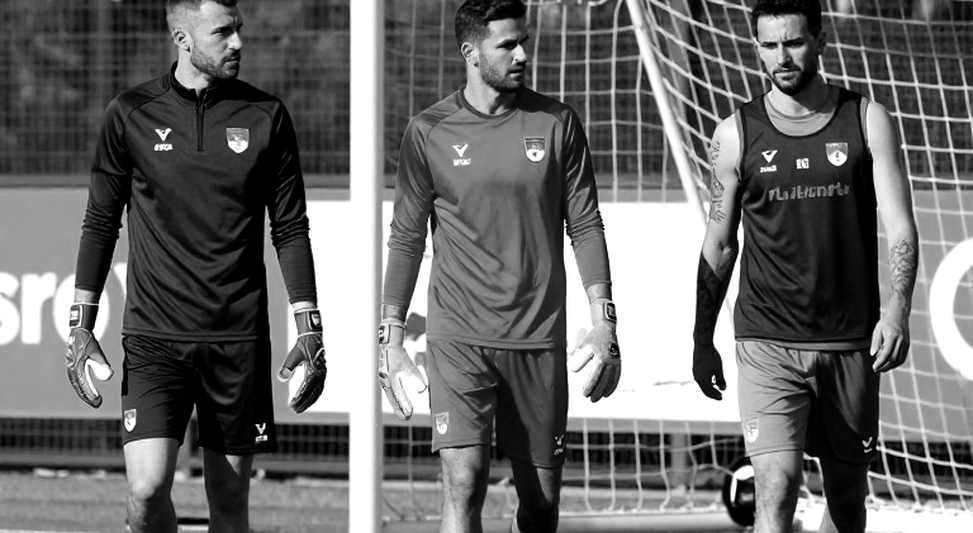
Vietnam U16 made two changes to the starting eleven that faced Australia U16. China U16 made five. That gap says a great deal about how the two benches read the fixture: one side rotating while protecting its spine, the other swapping nearly half its outfield to raise the pressure.

For the opening 20 minutes the hosts attacked with intent. Vietnam's defence held its shape, kept its distances and never exposed the channel between the centre-backs. After the 20-minute mark, Hoàng Anh Tuấn's side reclaimed the rhythm and manufactured a few approaches towards the opposition box. Before the break, from a corner, Minh Quang headed against the post.
In the second half the hosts pushed their line higher and generated sustained pressure. In the 56th minute Liu Yuyang used his pace to beat a Vietnam defender and shot from a narrow angle, forcing Gia Bảo into a scrambling save. In the 70th minute, from a corner, Ji Zhenghao headed past the Vietnam goalkeeper. In the 80th minute Trung Anh stamped his studs into the shin of a China player, collected a second yellow and left the pitch. Down to ten men for the closing stretch, Vietnam could not find an equaliser and lost 0-1.
What actually happened on the pitch
Based on my experience covering youth tournaments in Asia, I always check the simplest indicator first: how many chances did a team create from open play. For Vietnam U16 here, the answer was almost nothing. Their clearest first-half opportunity came from a corner, Minh Quang's header against the post. The other approaches into the box stopped at proximity, never at a real chance.
What does that mean tactically? A team that only threatens from set pieces does not force its opponent to break down a defensive structure in order to win. The opponent simply stays patient, holds the 0-0 and waits for a corner or a lapse. China U16 did exactly that, and gave themselves 70 minutes to wait.
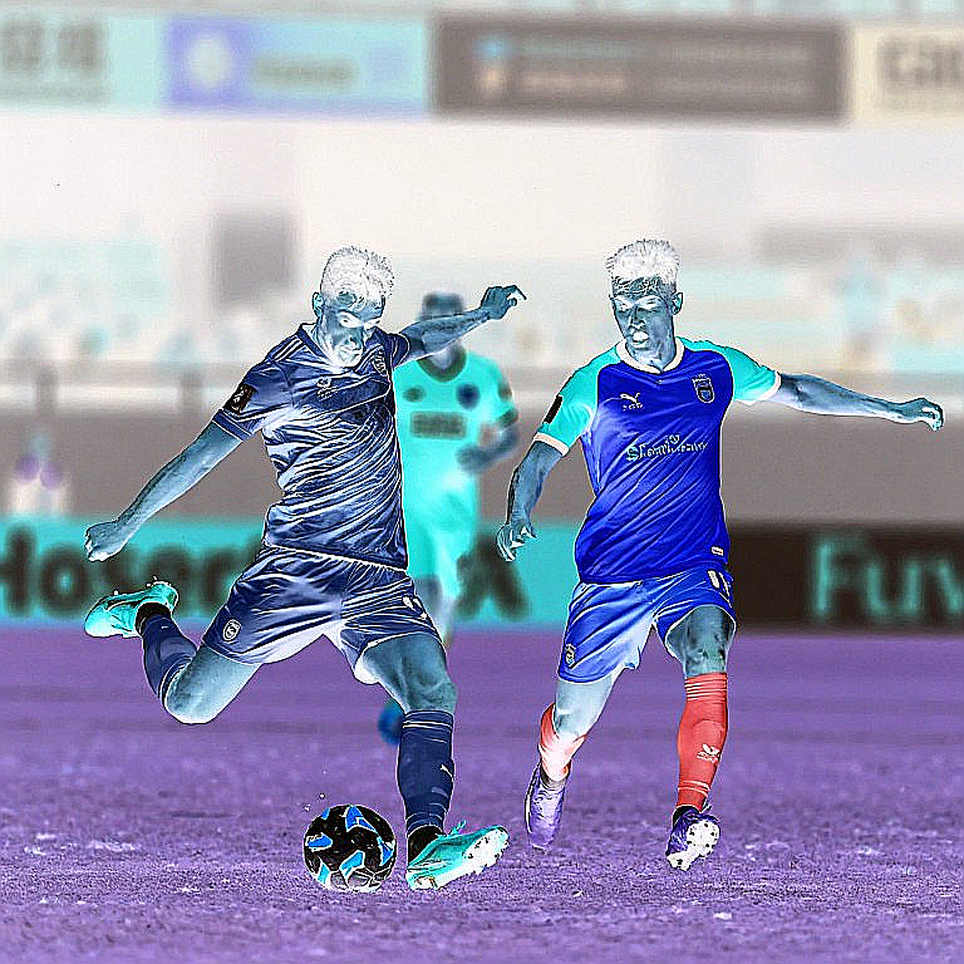
My working principle at youth level remains the same: when the stands are empty, listen to the ball rather than the shouting. These stands were not empty, but the noise of the home crowd made it easy to miss the rhythm of Vietnam's passing. That rhythm showed a side escaping the press with long diagonals and lofted balls rather than through midfield. That is the signature of a midfield being squeezed, not the deliberate choice of a counter-attacking team.
One detail drew little attention. In the second half, after China pushed their line up, Vietnam U16 produced no organised counter-attack at all. No player held the ball in midfield long enough for team-mates to make their runs. The ball reached the forward and was gone within seconds. That turned every defensive effort into a pure physical burden, and legs are the first thing to go in youth football.
The counterintuitive read
Here is the counterintuitive read: Gia Bảo's penalty save in the 28th minute was a bright individual moment, and it was also a collective anaesthetic. When a team discovers it can survive without changing anything, it tends to keep everything and wait. Waiting is a sound plan when you have a forward line that knows how to counter. Vietnam U16 had no such plan in this match.
The 80th-minute red card follows the same logic. The easy reading is to blame the player's temper. The more plausible one: a studs-up lunge is the movement of legs arriving half a step late, and legs only arrive half a step late after 70 minutes of chasing. Vietnam defended while repeatedly losing the ball; by the 80th minute every player was covering a few extra metres on every transition. The price of not keeping the ball is a tackle that mistimes the moment.
I may be wrong. It is entirely possible that China U16 simply had greater squad depth, and that their five changes delivered fresh legs at the right time; the small sample of a single U16 fixture makes any tactical conclusion easy to overstate. But my concern is not a one-goal away defeat. It is that this team will reproduce the same structure in the next match if the coaching staff does not intervene.
The less the crowd roars, the easier it becomes to tell who is talented and who is merely making noise. This match had no shortage of noise from Vietnam: clearance after clearance, tackle after tackle, a goalkeeper throwing himself across his goal. What was missing was someone holding the ball for seven seconds so the shape could breathe.
A verifiable prediction
In their final match, Vietnam U16 face Kyrgyzstan U16 at 13:00 on September 30. This is the judgement I am willing to leave in writing: if Vietnam U16 keep the same back four and continue to treat Minh Quang as their primary set-piece target, they will again fail to score from open play, and they are likely to concede from a set piece or from a foot race down the flank. The condition that would prove me wrong: Hoàng Anh Tuấn introduces a midfielder capable of holding the ball under pressure, and the team exceeds 48 percent possession.
I write uncomfortable things so that comfortable readers are forced to rewatch the match. Accepting dislike is the fee I pay to write a truth nobody commissioned. A 0-1 defeat featuring a red card and a saved penalty can be narrated as a tragedy of spirit. But spirit does not hold the ball, and when the ball is not at your feet, the result is merely a question of timing.