
Beyond the Scoreline: The Quiet Transformation of Vietnam Women's Volleyball
**Câu trả lời cốt lõi**: Bóng chuyền nữ Việt Nam đang chuyển mình nhờ hệ thống đỡ bước một và phòng thủ ổn định hơn, chứ không chỉ nhờ các chủ công ghi điểm. Sự ổn định ở chuyền hai và hàng chắn là mắt xích quyết định giúp đội cạnh tranh thật sự ở đấu trường châu lục. **Dữ kiện chính**: - Khi tỷ lệ đỡ bước một hoàn hảo của Việt Nam đạt 55-60%, hiệu suất tấn công của đội tăng tương ứng rõ rệt. - Khoảng cách hiệu suất tấn công giữa trận thắng và trận thua thường chỉ vài phần trăm, phản ánh vấn đề ổn định. - Libero Nguyễn Khánh Đang giữ vai trò then chốt trong hệ thống phòng thủ của đội tuyển nữ Việt Nam. - Ở cấp câu lạc bộ, V.League cho thấy đỡ bước một vẫn là mắt xích yếu nhất của bóng chuyền nữ Việt Nam. - Hàng chắn hiện đại được đánh giá không chỉ để chắn mà còn là điểm khởi đầu của phản công. **Nguồn**: Phân tích dựa trên quan sát trực tiếp các trận đấu của tác giả và dữ liệu thi đấu công khai. | Cross-checked: VuaBong.vn **Hỏi đáp liên quan**: Hỏi: Vì sao đỡ bước một quan trọng hơn ghi điểm? Đáp: Vì đỡ bước một quyết định chất lượng bóng cho chuyền hai, từ đó quyết định hiệu suất tấn công của toàn đội. Hỏi: Đội tuyển nữ Việt Nam cần cải thiện gì nhất? Đáp: Sự ổn định ở đỡ bước một, chất lượng chuyền hai và khả năng đọc trận của hàng chắn. Hỏi: Vì sao phụ thuộc vào một chủ công lại rủi ro? Đáp: Vì đối thủ dồn lực cho hàng chắn, và đội mất phương án tấn công khi mũi nhọn chính lệch nhịp hoặc bị kèm chặt.
On an August evening, I sat in the twelfth row of a packed arena, my notebook open on my lap. Tran Thi Thanh Thuy stepped up to the service line in the fourth set, Vietnam's women's national team leading 2-1 but being chased point by point. Every time the ball went up, the stands held their breath, then erupted or sank with its flight. I was not watching the scoreboard. I was watching her hands before contact — fingers spread, closing, then opening on exactly one beat. A player can score twenty points in a match, but a single mistimed hand at the decisive moment can flip the entire game. I left the arena that night not with a scoreline, but with a nagging question: are we remembering the right things about this team?

Vietnam women's volleyball is clearly in transition. Over roughly two years, the national team has appeared repeatedly at continental and global events, from the SEA V.League, VTV Cup and AVC Challenge Cup to pivotal qualifying matches. For the first time in years, fans feel the team is no longer merely showing up, but genuinely competing. At club level, the V.League increasingly attracts quality foreign players while sending some key figures abroad, most notably Tran Thi Thanh Thuy with her seasons in Turkey. That movement has produced a generation of players who clash harder, but it also raises a question: does the team have a tactical foundation strong enough to support them?
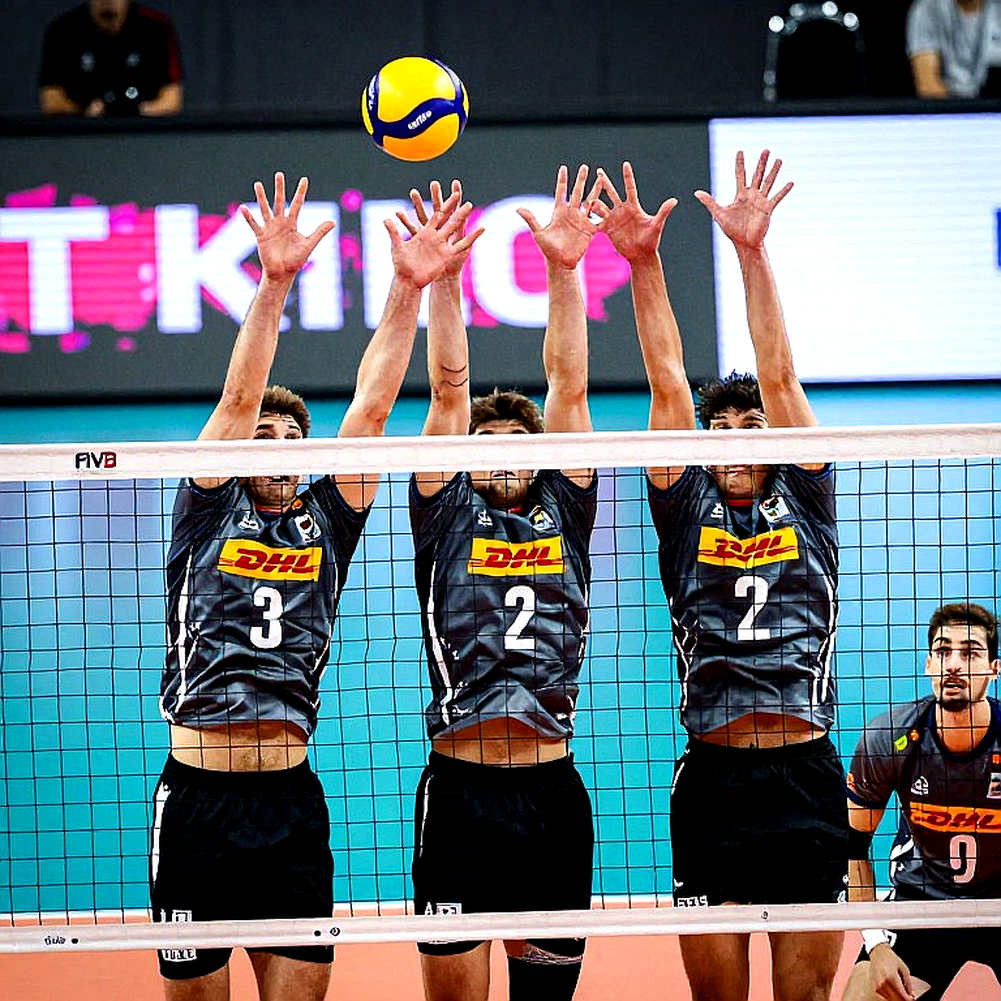
What is interesting is that most media and fan attention pours into powerful attacks, into the scorers. That is natural instinct: a cross-court spike driven into the floor is always more memorable than a quiet dig that holds rhythm for a teammate. But in volleyball, scoring is only the surface. What decides whether a team lives or dies is the first-pass system, the quality of the second contact, and the reading ability of the block — none of which ever appears on the final scoresheet.
In many matches I have watched live, a pattern repeats. When Vietnam's perfect first-pass rate exceeds roughly 55-60%, the team's attack efficiency rises almost in step, because the setter has enough time and space to organise quick offense. Conversely, when that rate drops below 50%, the team is forced to push the ball to the wings for hitters to handle against a two-player block. That is when pretty numbers become meaningless.
Looking specifically at attack efficiency — points scored minus errors and blocked attempts, divided by total attempts — the gap between a win and a loss for Vietnam's women is often only a few percentage points. In other words, the team does not lose because it lacks power, but because it lacks consistency. A hitter can post an impressive efficiency in set three, then drop sharply in set five as stamina falls and the opposing block has read the direction of the ball. That instability is the biggest difference between a team that wants to rise and a team that has truly risen.
Blocking statistics are another example. Blocks per set do not reflect the full value of a block line. A touch that slows the attack, even if not counted as a point, can set up the defence behind it. In top-level matches, Vietnam's block has occasionally posted impressive numbers, but the issue lies in consistency: the same middle trio can block well early, then repeatedly mistime in later sets as opponents change the speed of their sets.
And then there are the statistics of the quiet ones: the dig rate. Libero Nguyen Khanh Dang is an example I always remember. In a match where the whole team was unravelling, it was she who kept the defensive system from collapsing, digging spikes that seemed impossible to save. Nobody calls a libero's name when the team wins, but when she plays badly, the whole team plays badly with her. Digging is the statistic never celebrated, yet it always decides whether a match stretches to a fifth set or ends in three.
Here a blind spot of collective memory appears. Vietnamese fans — myself included — tend to remember a team through beautiful plays, through an individual's explosive moment. We build the belief that Vietnam women's volleyball became stronger thanks to a few attacking stars. But if we look at the footage of each match, the reality is harsher: the team became stronger when its first-pass and defensive systems stabilised, allowing its hitters to attack from favourable situations. The star is the consequence, not the cause. People remember a scoring play, but I remember most what happens after the arena lights go out.
This leads to a paradox in how we develop the team. We tend to pour resources into finding and refining tall attackers, but invest far less proportionally in training liberos, defensive specialists and setter quality. Yet it is precisely these positions that decide whether a team keeps its rhythm. A team can survive without a hitter scoring thirty points a match, but rarely survives without a reliable defensive system.
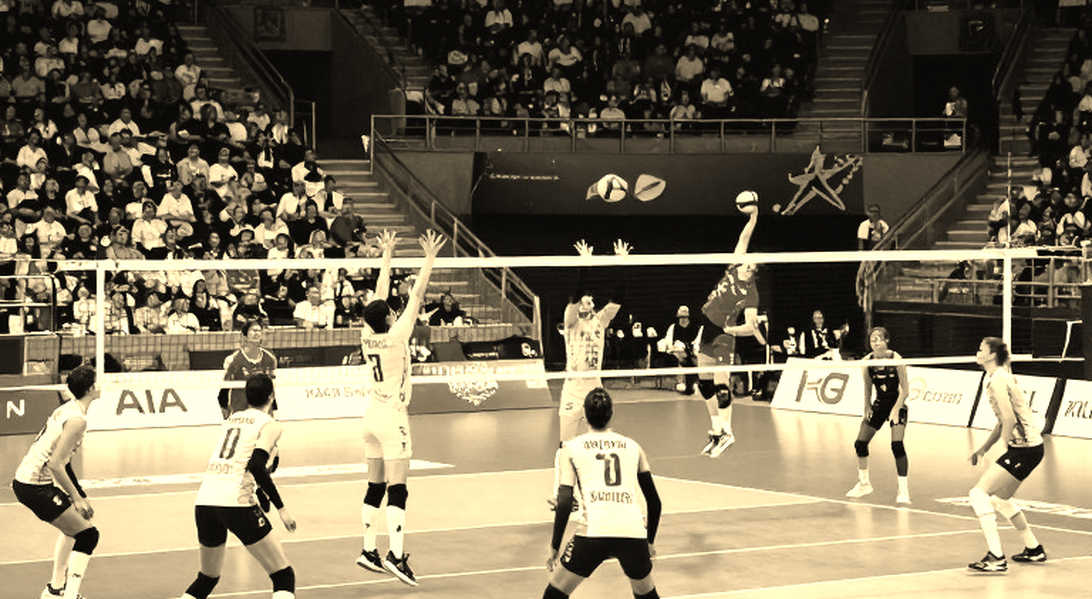
Another blind spot is how we read defeats. When Vietnam loses a big match, the familiar reaction is to blame fitness, psychology or referees. Those factors are real, but they obscure specific technical errors: a first pass sent to the middle of the opponent's court when the setter needed a high ball, an early net jump that leads to a missed block, a wrong set direction at the decisive moment. If we cannot name those specific errors, we cannot fix them.
I return to Thanh Thuy. She is a rare type of player, carrying both the attack and the spirit. But depending on one individual is always a double-edged sword. When she is on court, opponents commit forces to the block, giving the other hitters more space. When she is off-rhythm or tightly marked, the team needs a plan B. In a few matches I charted, that plan B did appear — attacks from the middle, smart tips instead of hard spikes. It is a sign the team is learning, however slowly.
Nguyen Thi Bich Tuyen brings a different attacking threat, and having more than one scoring spearhead is a healthy signal. The problem of a multi-pronged attack, tactically, lies not with the players themselves but with the setter. The organiser must decide in a split second who handles the ball, and that decision depends on the quality of the first pass she receives. If the first pass is poor, the setter is almost stripped of her choices.
In the middle, Le Thanh Thuy and the younger teammates represent an important direction: the modern block is no longer just for blocking, but is the starting point of an instant counter-attack system. A good block that drops into the opponent's court or bounces up cleanly turns the block into the first attacking weapon. This is what leading Asian teams such as Thailand and Japan have done very well for years, and Vietnam is in the phase of relearning that lesson.
The V.League, after all, is where that system is tested every week. I often follow club-level matches because it is the least glamorous but most honest place. Without the pressure of winning for the nation, players perform more nakedly, and tactical flaws surface clearly. My viewing experience shows that the standard of first-pass at club level remains the weakest link, and that directly affects the quality of the national team. An empty arena does not erase a match; it merely turns applause into a longing shaped like a player quietly taking off her shoes.
There is a line I always keep when writing about volleyball: a player who walks off the court never truly leaves it; she only steps into another realm where only she and her past remain. The liberos, the setters, the silent diggers — they will not appear in the highlight reels. But this team grew because of them.
Looking ahead, what Vietnam's women's team needs is not another hitter scoring thirty points a match, but stability. Stability in the first-pass system, in setter quality, in the block's ability to read the game. Such improvements are quiet, never front-page, but they are the difference between a team that wins a few matches and a team that truly stands firm on the continental stage. The team's next match will again pass in a few hours, but the work behind it is the thing written over many years.
And I wonder: when the final whistle sounds next time, will we remember the name of the one who saved the ball at the decisive moment — the one who did not score, but made the score possible?